Buying land or a manufactured home in Millington can look simple at first glance, but the details matter more than many buyers expect. You may be picturing a quiet homesite, a place for a HUD-code manufactured home, or a property with room to spread out. Before you commit, it helps to understand how Millington’s local rules, utility access, title status, and installation requirements can affect your plans. Let’s dive in.
Start With Millington’s Local Rules
If you are buying in Millington, the local framework comes first. The city directs property owners to Title 14 of the Millington Municipal Code for zoning issues, and it notes that proposals that do not fit current rules may sometimes move forward through a variance, special use permit, or rezoning.
That means you should not assume a parcel can be used the way you want just because it is for sale. Millington also says its online zoning map is only a draft rendering, and official zoning verification requires a Property Verification for Zoning and Occupancy form, which is listed with a $25 fee.
Another important point is permitting. Millington says permitting and inspections are handled through Shelby County Code Enforcement, not through a separate city permit office. If you are planning a land purchase, new setup, or home installation, you will likely be working across more than one office.
Know the Difference in Home Types
When buyers say “mobile home,” “manufactured home,” or even “trailer,” they may mean different things. HUD uses the term manufactured home for HUD-code homes built after June 15, 1976, while Millington’s local code still uses older park-related terms such as mobile home and trailer coach.
This matters because zoning, placement, and financing can depend on exactly what kind of property you are buying. A manufactured home on land, a home in a mobile home park, and a titled personal-property asset can all be treated differently.
What To Check Before Buying Land in Millington
Buying raw land or acreage can create opportunities, but it also comes with extra homework. In Millington, one of the first questions is whether the land has legal access.
Confirm Legal Road Access
Millington’s zoning code says lots without legal access to a public road or street may not be used as residences. If you are looking at acreage, that makes access one of the first items to verify.
A landlocked parcel may still have value, but you should not assume it can become a homesite. Reviewing deeds, easements, and a current survey can help you understand what you are actually buying.
Verify Utilities Early
Utility service is another area where assumptions can cost you time and money. Millington says it provides water, sewer, and sanitation services where available, with roughly 80% of residents and businesses receiving city water and the rest served by MLG&W. The city also states that electricity and gas are provided through MLG&W.
In plain terms, an address in Millington does not automatically guarantee every utility is available at the property. It is smart to confirm water, sewer, power, gas, and any extension requirements before closing.
Review Septic and Well Requirements
If the property will not connect to public sewer, septic review becomes part of your due diligence. Shelby County Health says permits are required to construct, alter, extend, or repair a subsurface sewage disposal system, and TDEC also requires permitting tied to septic-related work and groundwater protection.
If you are buying a future homesite, this step can affect cost, timing, and even whether the land works for your plans. It is better to learn that early than after you already own the property.
Check Floodplain Status
Flood risk can also change what is possible on a parcel. Millington points buyers to flood information, and its flood-damage-prevention rules require new development to be reasonably safe from flooding, with drainage and utility placement designed to reduce flood damage.
For manufactured homes in flood hazard areas, the code adds elevation and anchoring standards. That means floodplain status is not just a map issue. It can directly affect design, installation, and budget.
Review Title, Survey, and Recorded Documents
Land transactions often come down to details in the public record. Shelby County’s Register of Deeds records deeds and other real-property instruments and warns that incorrectly prepared documents can affect property rights.
That is one reason title review, easement review, and survey review matter so much before closing. If you are buying acreage, those documents help clarify boundaries, access, and any limitations that could affect future use.
What To Know About Manufactured Homes in Millington
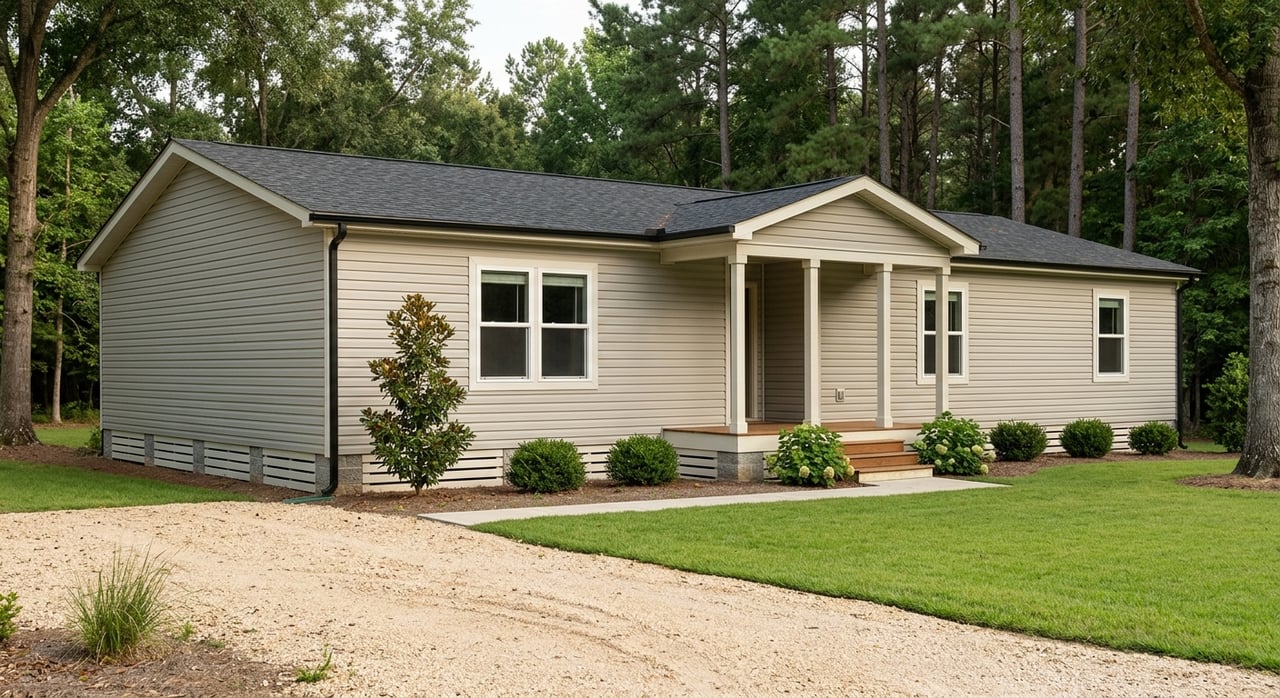
Manufactured home buyers in Millington need to pay close attention to local placement rules. This is not a market where you should assume a vacant lot can automatically accept a manufactured home.
Placement Rules Are Very Specific
Millington’s code is centered on mobile home parks. The R-5 district is the Residential Mobile Home Park District, and the code states that single-family mobile homes are permitted in mobile-home parks. It also says that no mobile home may be located in the city unless it is in an approved and duly licensed Mobile Home Park.
That is a major point for buyers. If you are planning to place a manufactured home on land, the first step is to verify whether the parcel is zoned and approved for the use you intend.
Park Development Has Its Own Standards
For larger park-style development, Millington’s rules are detailed. The code calls for an eight-acre minimum, a 4,500-square-foot site for each dwelling unit, 10% open space, setbacks, screening, an engineer-prepared site plan, and park licensing.
Most individual buyers are not building a park, but these rules show how closely the city regulates this property type. If your purchase involves a park or park-style setting, those standards are part of the bigger picture.
Installation Must Follow Tennessee Rules
State requirements matter after the purchase too. Tennessee says manufactured-home installers must complete a 15-hour course, pass an exam, obtain a $10,000 surety bond, and hold an active license before installing a manufactured home in the state.
The same state guidance says the installer must buy an installation permit decal from the county clerk, place the decal only after setup is complete, and report the installation within seven days. For buyers, this means installer selection is not just about price. Licensing and process matter.
HUD Labels and Site Planning Matter
HUD says manufactured homes built after June 15, 1976 must be certified to HUD’s construction and safety standards, and each transportable section must carry a certification label. HUD also notes that installation planning should account for zoning, septic, electrical and building permits, site prep, transport access, soil stability, foundation requirements, and utility hookups.
That list is a good reminder that the home itself is only part of the project. The site has to work too.
Why Title Status Affects Financing
One of the biggest differences between a traditional home purchase and a manufactured home purchase is how the home is titled. That title status often shapes what kind of financing is available.
Personal Property vs. Real Property
The CFPB says that when a manufactured home is titled as personal property, it generally must be financed through a personal-property loan, often called a chattel loan. It also notes that these loans tend to have higher rates and fewer consumer protections than mortgage loans.
Even buyers who own the land under their home may still end up with chattel financing. That is why you want to understand title status early, not at the last minute.
Permanent Affixation Can Change Options
For conventional mortgage-style financing, Fannie Mae requires the loan to be secured by both the manufactured home and the borrower’s interest in the land, with both classified as real property under state law. Freddie Mac also requires the home to be built to HUD Code, permanently affixed, and titled as real property for eligibility.
In Tennessee, if the home will be permanently affixed to real property, the state says de-titling requires the title or certificate of origin, a deed or other instrument showing ownership of the real property, and a recorded affidavit of affixation. That step can play a major role in how the home is treated for future sale or financing.
Compare Loan Costs Carefully
If you are shopping for financing, look beyond the monthly payment. The CFPB recommends comparing the interest rate, principal and interest, mortgage insurance, escrow, upfront costs, lender credits, and total cash to close.
It also warns that a no-closing-cost loan usually shifts the cost somewhere else, such as a higher rate or larger loan balance. In short, the cheapest-looking payment is not always the best deal.
HUD Title I May Be Relevant
HUD says its Title I program can finance the manufactured-home unit, the lot, or both. It also notes that leased-lot purchases come with special rules, including a three-year initial lease term and a 180-day notice requirement if the lease is terminated.
If you are buying in a leased-lot situation, those details are worth reviewing carefully. The structure of the deal can affect your long-term flexibility.
A Simple Due Diligence Checklist
If you are buying land or a manufactured home in Millington, here are the key items to verify before closing:
- Official zoning verification from the city
- Legal access to a public road or street
- Water, sewer, power, gas, and sanitation availability
- Septic or well requirements, if needed
- Floodplain status and any added construction standards
- Title review, easements, and survey details
- Manufactured home placement rules for the parcel
- Installer licensing and installation process
- Whether the home will stay personal property or become real property
- Financing structure, loan costs, and cash to close
These are coordination-heavy purchases. When the property crosses city, county, state, and lender requirements, missing one step can create expensive surprises.
Why Local Guidance Helps
A Millington land or manufactured-home purchase is often less about finding a property and more about confirming that your plan will work. Zoning, access, utilities, flood rules, title status, and installation all need to line up.
That is where local guidance can make the process feel much more manageable. When you have someone helping you ask the right questions early, you are less likely to run into preventable delays after you are already under contract.
If you are thinking about buying land or a manufactured home in Millington, Teresa Ervin can help you sort through the details, understand your options, and move forward with confidence.
FAQs
What should you verify before buying land in Millington?
- You should verify zoning, legal road access, utility availability, septic or well needs, floodplain status, and title or survey details before closing.
Can you place a manufactured home on any vacant lot in Millington?
- No. Millington’s code says placement is tied to approved and licensed Mobile Home Parks, so you should confirm zoning and use approval for the specific parcel before you buy.
Why does title status matter for a manufactured home in Tennessee?
- Title status can affect whether the home is treated as personal property or real property, which often changes financing options and future resale structure.
Who handles permits and inspections for Millington property projects?
- Millington says permitting and inspections are handled by Shelby County Code Enforcement rather than a separate city permit office.
What utility issue should Millington land buyers check early?
- You should confirm whether water, sewer, sanitation, electricity, and gas are actually available to the property, because utility service is not automatic for every Millington address.
What installation rules apply to manufactured homes in Tennessee?
- Tennessee requires a licensed installer, an installation permit decal from the county clerk, and reporting after installation is completed.